LomographyColor Negative 400
Reviews disagree: vivid and contrasting, or true to life and slightly muted with a brownish cast
- Manufacturer
- Lomography
- ISO
- 400
- Type
- Color negative
- Process
- C-41
- Formats
- 135, 120
- Status
- In production
- Datasheet
- None published
- Preset
- GA — 037 / P
Status checked [1]
Character
- Contrast
- Even, handles high-contrast scenes (reviews)
- Grain
- Visible; no manufacturer figure
- Latitude
- Tolerates overexposure; reported to push one stop
- Best for
- Everyday shooting on a budget, in sun or overcast light (reviews)
Lomography Color Negative 400 is an ISO 400 color negative film for C-41 processing, sold by Lomography in 35 mm and 120 [1]. Lomography does not say who makes the emulsion, and reviewers who have tried to work it out disagree [2]. Photographers mostly use it as an inexpensive everyday film [3] [4].
Look and color
- The reviews disagree on saturation. Analogue Wonderland calls the colors “vivid and contrasting” and says it handles blue and green tones well, but that summary leans on customer reviews from a retailer [4]. Parallax writes “true to life but ever so slightly muted” [3]. Emulsive found “muted colours with a slight sort of brownish hue” and a “1980’s palette” on a 120 roll [2].
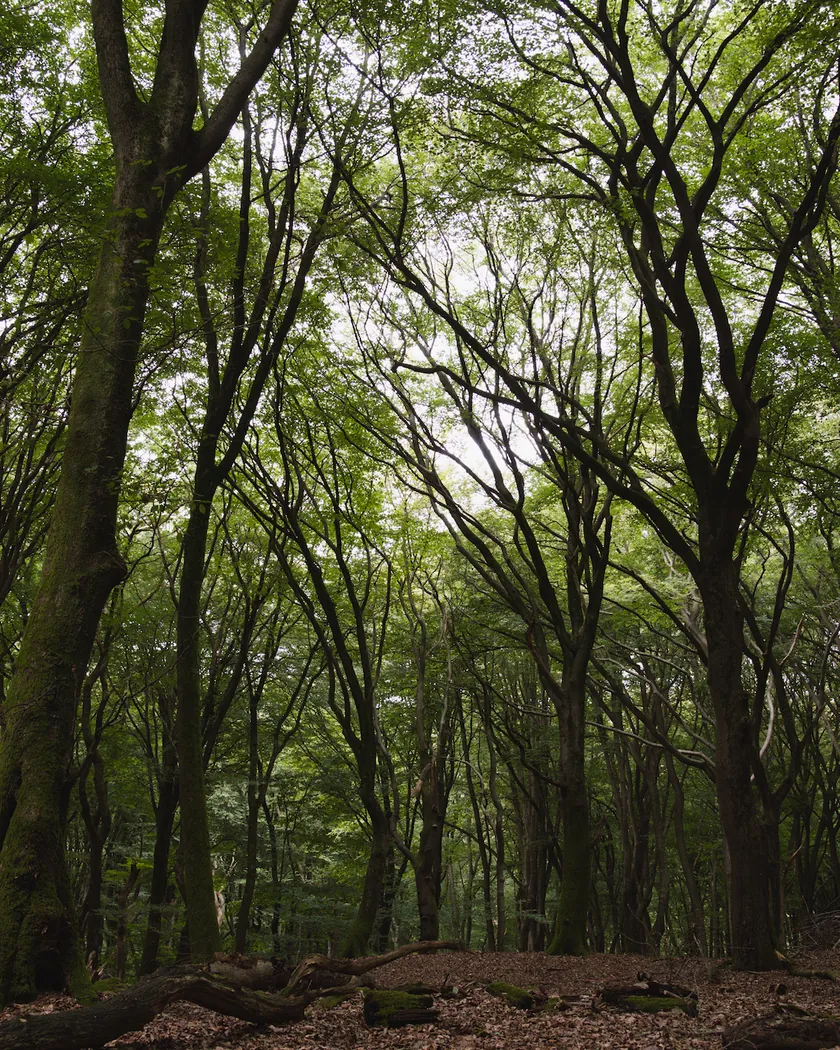
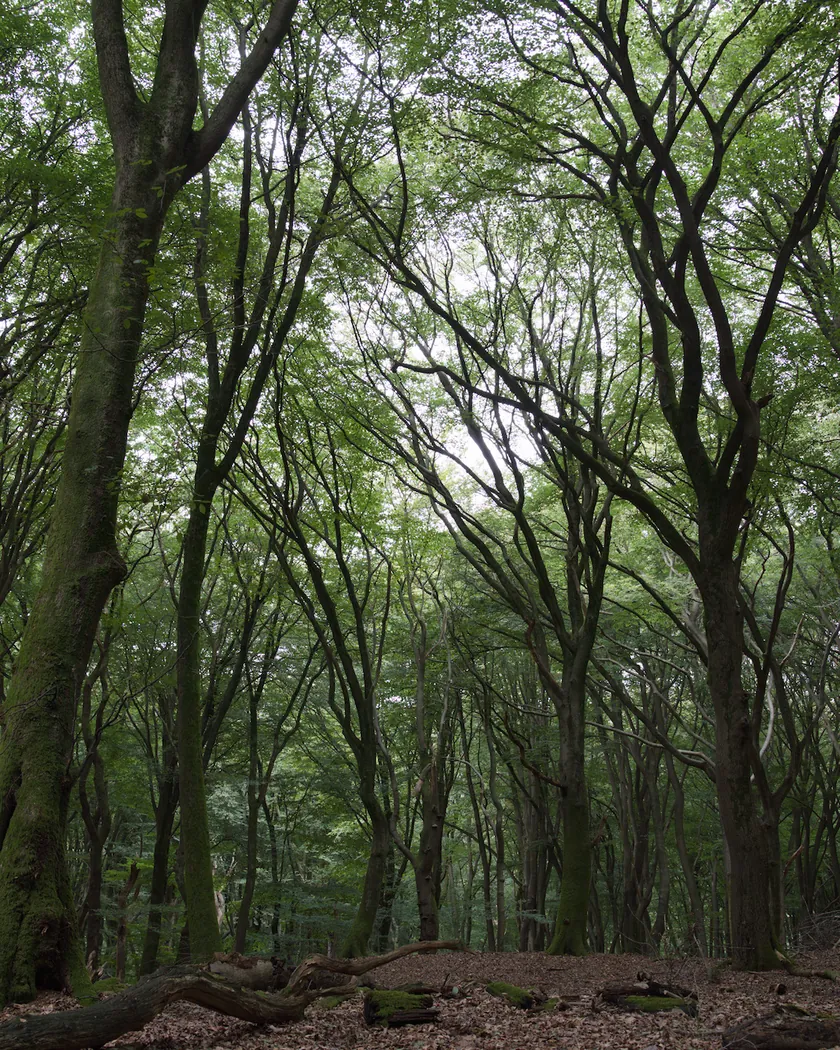
- Cool results in some conditions. PhotoBite found that weather strongly affected the hue and that images could shift “from blue to purple quite easily”, producing cool-looking woodland scans [5].
- Scanning matters. Each of these reviews used a different lab or scanner and different cameras, so part of the gap between “vivid” and “muted” may come from processing rather than the film. We cannot separate the two from what was published.
Tonality
- Even contrast. Parallax describes “nice, even contrast” with “loads of detail in the shadows, as well as the highlights” in both bright sun and overcast light [3]. Emulsive says the film “handled contrast surprisingly well” in high-contrast cathedral interiors [2].
- Latitude. Analogue Wonderland reports that it copes with overexposure and with being pushed one stop, citing customer reviews [4]. We found no measured latitude test and no characteristic curve.
Grain and sharpness
Lomography publishes no granularity figure and we found no datasheet, so there is no Print Grain Index or RMS value to compare with other films. Reviewers describe it in words:
- Analogue Wonderland: “some visible grain” that gives a classic look; customers call it relatively low [4].
- Emulsive: coarser than modern film, “only obvious on prints over 12” in size” [2].
For a datasheet reference among ISO 400 consumer films, Kodak rates UltraMax 400 at a Print Grain Index of 46 for a 4×6 print from 35 mm [6]. Different maker, different film: it is not a measurement of this one.
Specs
| Item | Value | Source |
|---|---|---|
| ISO speed | 400 | [1] |
| Process | C-41 | [1] |
| Formats | 135 (36 exposures) and 120, single rolls and multipacks | [1] |
| Manufacturer datasheet | None found: Lomography's own pages could not be retrieved |
Names, status and history
- Status. On September 30, 2026, Parallax listed the 120 roll in stock, with the 35 mm version and multipacks also sold [1].
- Names. Retailers and reviewers write “Colour Negative 400” [4] or “Lomo 400” [3].
- Emulsion origin: unconfirmed. Emulsive reports forum speculation that the film comes from Kodak Alaris and may be Kodacolor VR 400, a film sold from 1982 to 1986 [2]. A commenter on the same review suggested Ferrania Solaris FG Plus 400 instead [2]. Lomography’s own pages returned an access error when we tried to read them, so we could not check the maker’s wording. Treat the origin as rumor, and assume it may have changed between lots and years.
- No datasheet. For the same reason, we found no manufacturer datasheet or spectral sensitivity curve, and this page has no spectral chart.
Also sold as
Alternatives
- GA — 008 Kodak Gold 200
Another consumer C-41 negative, one stop slower; in our style measurements it renders warmer and more saturated than this film's style
- GA — 009 Kodak UltraMax 400
Same ISO 400 and consumer positioning, with a published datasheet: Print Grain Index 46 for a 4×6 print from 35 mm
- GA — 010 Fujifilm Superia X-TRA 400
Same speed from another maker, also aimed at general shooting; its origin and specifications are documented
- GA — 004 Kodak Portra 400
Reviewers compare this film to Portra as its budget counterpart; Portra has a datasheet and a Print Grain Index of 37
Get the look in darktable
The GA — 037 / P preset, inspired by Lomography Color Negative 400, is a darktable 5.6 style of 5 native modules, with no LUT. It sits on top of your own exposure and tone mapping.
| Zone | Metric | Before → after |
|---|---|---|
| sky | C (chroma) | 27.5 → 31.0 |
| sea | C (chroma) | 22.2 → 24.9 |
| skin | L (lightness) | 78.2 → 81.7 |
Settings, all measurements and limits of the Lomography Color Negative 400 preset
GA — 037 / P · darktable preset
Color Negative 400
for darktable
See real photos
Scans of real Lomography Color Negative 400 film, published by others:
- PhotoBite: A day in the woods with Lomography 400 (sample scans) photobite.uk
- EMULSIVE: Lomography Color Negative 400 in 120 format (review with scans) emulsive.org
- Parallax Photographic: Lomography Color Negative 400 film review parallaxphotographic.coop
Questions about Lomography Color Negative 400
Who makes Lomography Color Negative 400?
Lomography does not say. Reviewers speculate about a Kodak Alaris origin, possibly Kodacolor VR 400 from the 1980s, and one commenter suggests Ferrania Solaris FG Plus 400. None of this is confirmed by Lomography, so treat the origin as unknown and possibly different between lots and years. [2]
Is Lomography Color Negative 400 vivid or muted?
Reviews disagree. Analogue Wonderland calls the colors vivid and contrasting, based on customer feedback. Parallax finds them true to life but slightly muted, and Emulsive sees muted colors with a brownish cast and a 1980s palette. Scanning and the lab's choices probably account for part of the gap. [2] [3] [4]
Can you push Lomography Color Negative 400?
Analogue Wonderland reports that it copes well with a one-stop push and with overexposure, citing customer reviews. We found no datasheet or test with measured results, so treat one stop as a starting point, not a tested limit. [4]
Is Lomography Color Negative 400 grainy?
Somewhat. Analogue Wonderland mentions some visible grain and customers call it relatively low. Emulsive finds the grain coarser than modern film but only obvious in prints over 12 inches. Lomography publishes no granularity figure, so there is no number to compare with other films. [2] [4]
How is Lomography Color Negative 400 developed?
It is a C-41 negative film, processed in the same chemistry as most color negative films. Parallax lists it at ISO 400 with C-41 development, and any lab that handles C-41 can develop it. [1]
Sources
- 1R Parallax Photographic: Lomography Color Negative 400 120 film, single roll (product page) Accessed September 30, 2026.
- 2C EMULSIVE: Film review, Lomography Color Negative 400 in 120 format (Phil Harrison, February 19, 2018) Accessed September 30, 2026.
- 3C Parallax Photographic: Lomography Color Negative 400 film review Accessed September 30, 2026.
- 4C Analogue Wonderland: Lomography Colour Negative 400 film review (September 21, 2022) Accessed September 30, 2026.
- 5C PhotoBite: A day in the woods, testing Lomography Color Negative 400 (Simon Skinner) Accessed September 30, 2026.
- 6DS Kodak UltraMax 400, technical data E-7023 (February 2016)
- 7DS Kodak Professional Portra 400, technical data E-4050 (January 2025)
DS: datasheet · C: review or community · R: retailer