FujifilmFP-100C
Vibrant reds, cooler blues, 'candylike' color on a sunny day (reviews)
- Manufacturer
- Fujifilm
- ISO
- 100
- Type
- Instant
- Process
- instant
- Formats
- Pack, 3¼ × 4¼ in (73 × 95 mm), 4x5 in
- Status
- Discontinued (2016)
- Datasheet
- None published
- Preset
- GA — 075 / P
Status checked [2]
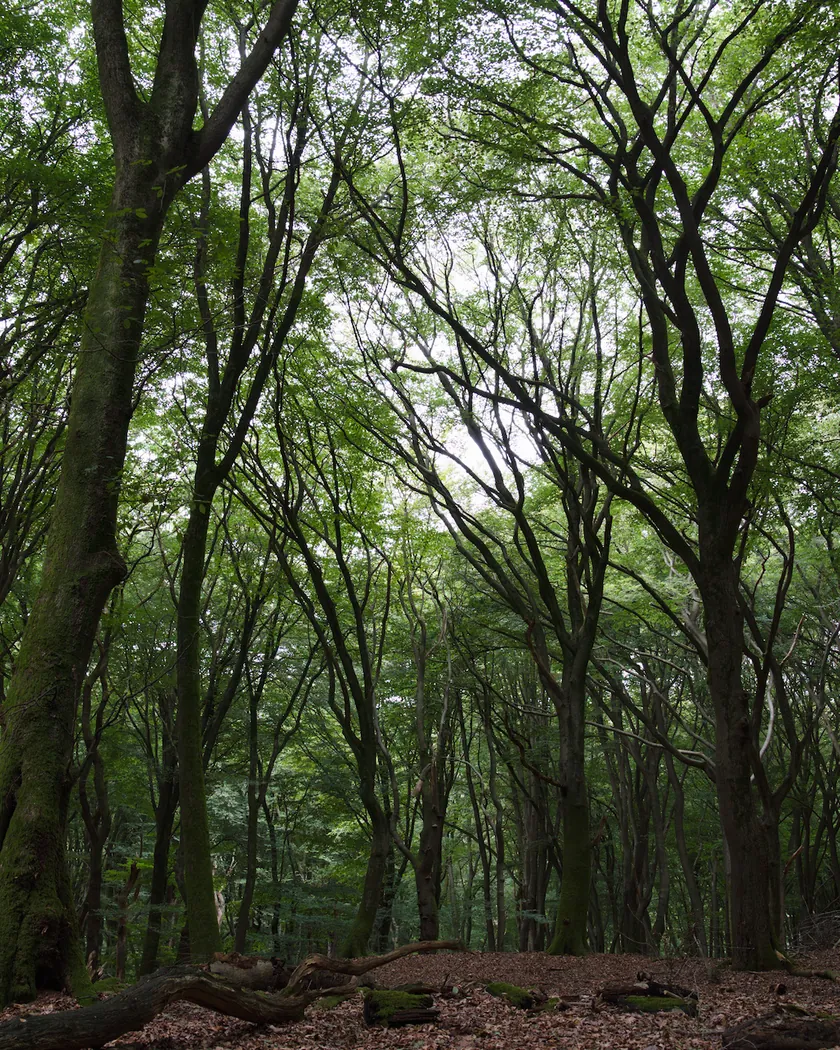
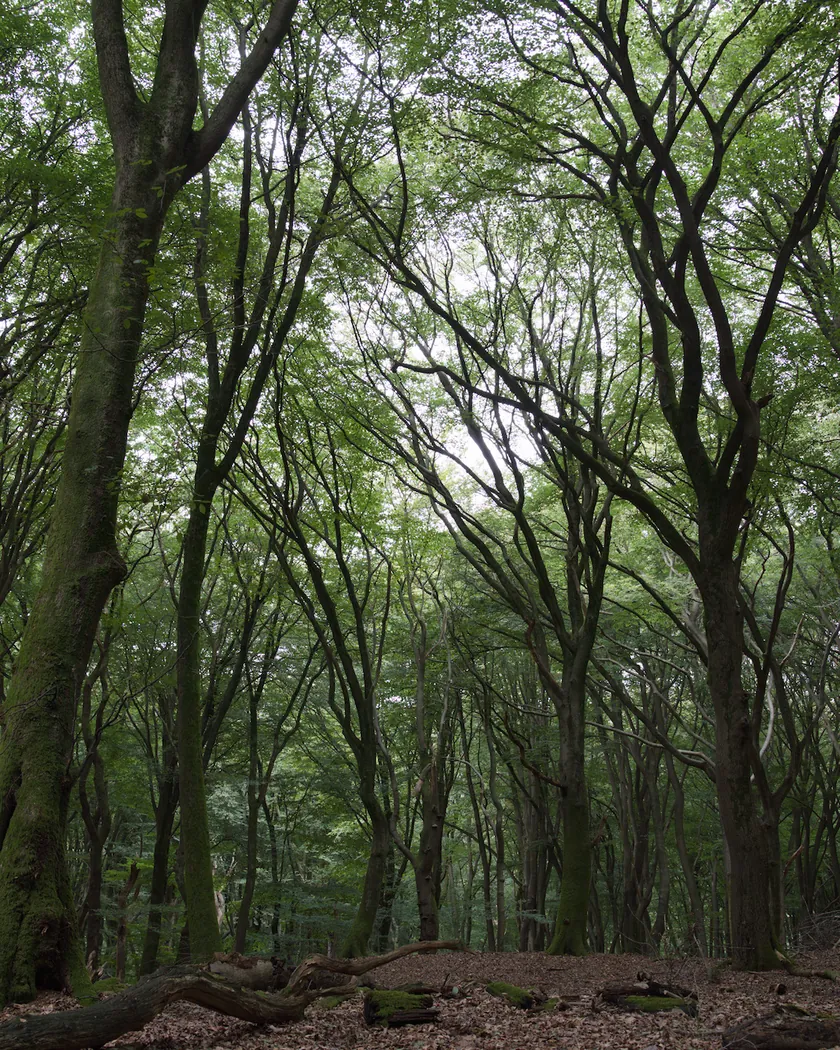
Character
- Contrast
- Not documented; one blog reports a restrained contrast, another a shallow latitude
- Grain
- None: a dye-diffusion process, not silver grain
- Latitude
- Shallow, according to Jim Grey
- Best for
- Bright daylight; uneven light gave patchy results
Fujifilm FP-100C was a daylight-balanced, 100 ASA peel-apart instant color film sold in packs of 10 [1]. You pulled the sheet out of the camera or back, then separated the positive print from the negative after development [2]. Fujifilm announced its end in early 2016, citing falling demand and sales [2]. Very little technical documentation survives, so this page rests mostly on a few reviews.
Look and color
- Vibrant reds. Jim Grey writes that “vibrant reds are a hallmark of FP-100C” [4].
- Greens and blues. Greens are vibrant too, though less than the reds; blues come out “on the cool side”, and light grays can take a slight blue tint [4].
- Candy colors in sunshine. The film’s “appealing candylike colors” made it a good choice on a bright day, but Jim Grey found flat colors on overcast days [5].
- Prints that last. Jim Grey reports that the prints stay bright for years, unlike older Polaroid films that darkened [5]. The brochure claims a 75 % improvement in fade resistance over the previous version, a manufacturer figure we could not check [1].
- Saturated, per another photographer. Emulsive describes “deep saturated” colors [6].
The sources do not describe skin tones or neutrals in detail. The Grain Archive style therefore stays near the base rendering there and avoids a warm cast [7].
Tonality
- Shallow latitude. Jim Grey says the film needed good exposure, and that uneven lighting gave inconsistent results [4]. He also notes it loses detail in the highlights and struggles with shadow detail in available light [5].
- Contrast is unclear. We found no characteristic curve. A single blog excerpt, read only as a search snippet, praised the tonality as not too contrasty, which sits uneasily with the shallow latitude above. The style takes a firm contrast, milder than the Instax Mini style [7].
- Development matters. Pulling the sheet smoothly and at a moderate pace mattered; otherwise corners could stay undeveloped [4].
Grain and sharpness
- No silver grain. This is a dye-diffusion process, so there is no grain structure to reproduce.
- Sharpness depends on the lens. Jim Grey found “great sharpness” when the film was used in a camera with a capable lens [5]. The Grain Archive style does not simulate sharpness.
Specs
| Item | Value | Source |
|---|---|---|
| Film speed | 100 ASA, daylight balanced (5500 K) | [1] |
| Exposures per pack | 10 | [1] |
| Pack format | 3¼ × 4¼ in (the last size sold) | [2] |
| Fade resistance | The brochure claims an improvement of 75 % over the previous version | [1] |
Names, status and history
- Formats. The last size sold was the 3¼ × 4¼ inch pack; the 5 × 4 inch version had been discontinued earlier [2]. There were ten exposures per pack [1].
- 2016: discontinuation. DPReview reported the announcement on March 3, 2016, with production ending in spring 2016 [2]. Photography Bay dated its report February 29, 2016, and quoted Fujifilm USA that the decision was needed “to remain sustainable” (as paraphrased in that article) [3].
- Contradiction on the end date. Jim Grey wrote in 2023 that the film had been out of production for “almost ten years”, which points to around 2013 [4]. We could not verify when the last packs were actually made. This page uses 2016, the year of the announcement.
- The last of its kind. Reports at the time call it the last peel-apart color film available. A black-and-white sibling, FP-3000B, had been discontinued earlier [2] [3].
- Still findable. Remaining stock is expired and its price rose after the announcement [5]. Storage and age change the results, and the style represents a fresh print.
- Datasheet. We found no datasheet with a curve. The only manufacturer document is a two-page brochure copy hosted by a retailer [1].
Alternatives
- GA — 025 Polaroid Color 600 / i-Type
Integral instant color film; warmer and with a raised black point, per its own page
- GA — 065 Fujifilm Instax Mini
Fujifilm's current instant film; stronger contrast and more saturated color in the Grain Archive style
- Not on file Polaroid Color Sx 70
Another Polaroid color instant film, still made
- Not on file Fujifilm Fp 3000B
Fujifilm's black-and-white peel-apart pack film, also discontinued
Get the look in darktable
The GA — 075 / P preset, inspired by Fujifilm FP-100C, is a darktable 5.6 style of 4 native modules, with no LUT. It sits on top of your own exposure and tone mapping.
| Zone | Metric | Before → after |
|---|---|---|
| vault | L | 5.1 → 3.7 |
| white wall | b* | 0.0 → -0.7 |
| gray T-shirt | b* | -3.7 → -5.1 |
Settings, all measurements and limits of the Fujifilm FP-100C preset
GA — 075 / P · darktable preset
FP-100C
for darktable
See real photos
Scans of real Fujifilm FP-100C film, published by others:
- Jim Grey: Remembering Fujifilm FP-100C (2023) blog.jimgrey.net
- Jim Grey: Goodbye, Fujifilm FP-100C (2016) blog.jimgrey.net
- Emulsive: The last frames of Fuji FP-100C, by Ludwig Hagelstein emulsive.org
Questions about Fujifilm FP-100C
Is Fujifilm FP-100C still made?
No. Fujifilm announced the end of FP-100C in early 2016, citing falling demand and sales, and Photography Bay called it the last peel-apart film of its kind. Some sources suggest production stopped earlier, so the exact last year is uncertain. Remaining packs sell at collector prices and may be expired. [2] [3] [5]
What is peel-apart film?
Peel-apart film is instant film where you pull the sheet out of the camera or back, wait, then separate the positive print from the negative. FP-100C gave both. Emulsive describes a negative that can be bleached and scanned afterwards, so the same exposure yields a print and a usable negative. [2] [6]
What cameras took FP-100C?
Cameras and backs built for 3¼ × 4¼ inch pack film. Jim Grey shot it in a Polaroid Colorpack II and an Automatic 250, and Emulsive used a Mamiya RB67 back and mentions Polaroid Land cameras and a Graflex Crown Graphic. The 4x5 inch sheet version was discontinued before the pack. [2] [5] [6]
How does FP-100C compare with Polaroid film?
Jim Grey, who shot Polaroid pack film in the 1970s, found Fujifilm's film superior, since Polaroid's 'never seemed to have a clean look'. That is one reviewer's opinion. The Grain Archive styles reflect it loosely: less warm than the Polaroid Color style, less contrasty than the Instax Mini style. [4]
Sources
- 1M Fujifilm: FP-100C Instant Color Film brochure (copy hosted by Freestyle Photo) Accessed September 30, 2026.
- 2C DPReview: Fujifilm to discontinue FP-100C instant film (March 3, 2016) Accessed September 30, 2026.
- 3C Photography Bay: Fujifilm FP-100C ends production (February 29, 2016) Accessed September 30, 2026.
- 4C Jim Grey: Remembering Fujifilm FP-100C (May 8, 2023) Accessed September 30, 2026.
- 5C Jim Grey: Goodbye, Fujifilm FP-100C (April 29, 2016) Accessed September 30, 2026.
- 6C Emulsive: Peeled apart for good, the last frames of Fuji FP-100C (Ludwig Hagelstein) Accessed September 30, 2026.
- 7B Grain Archive: Fujifilm FP-100C style, measurements
M: manufacturer · C: review or community · B: Grain Archive measurement