PolaroidColor 600 / i-Type
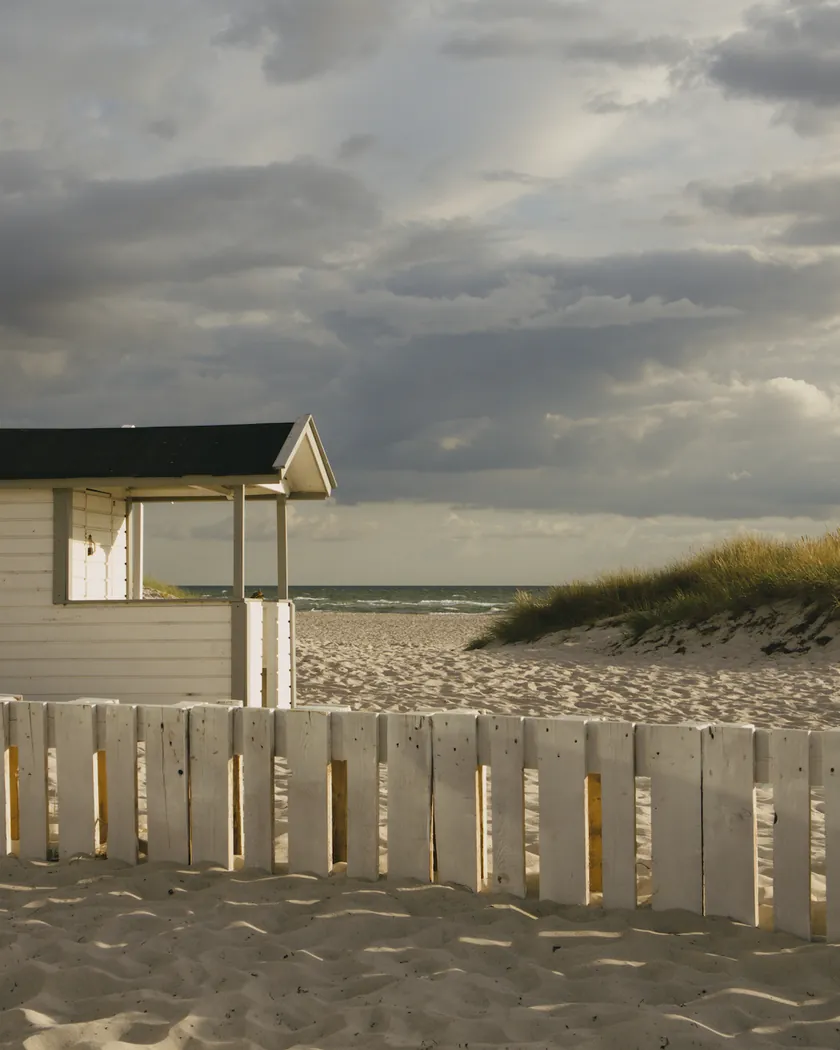
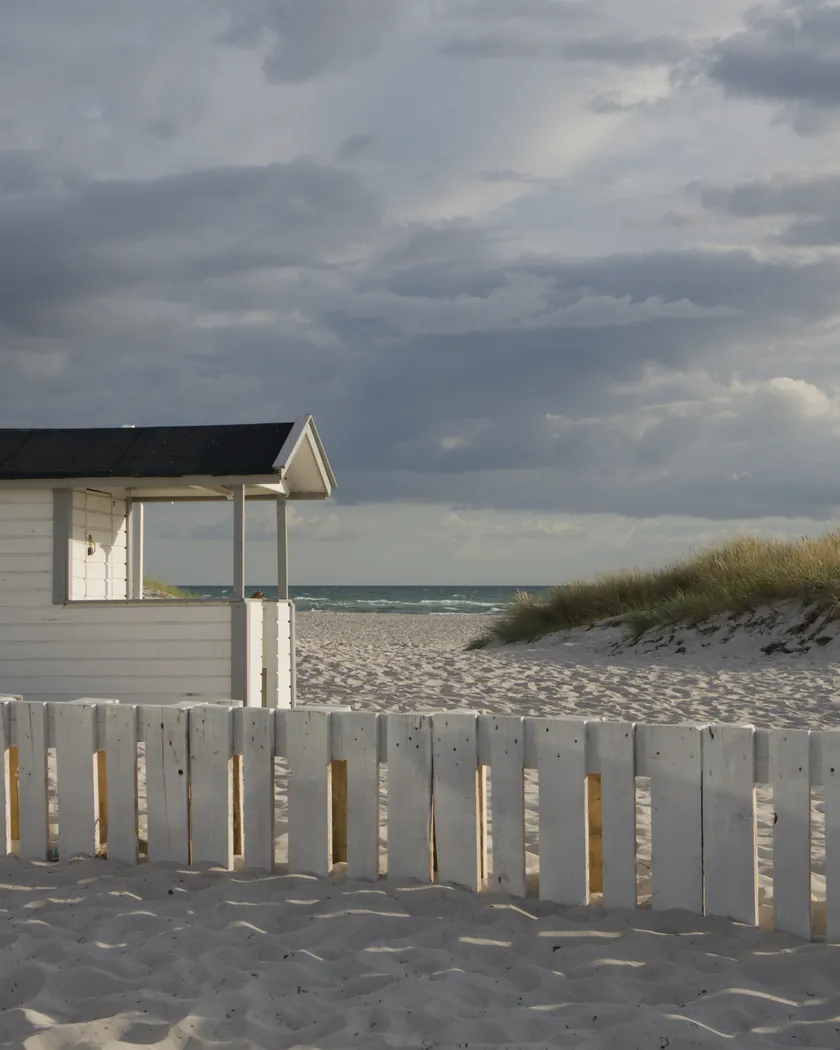
Warm, with pink highlights and green shadows; a limited color range
- Manufacturer
- Polaroid
- ISO
- 640
- Type
- Instant
- Process
- instant
- Formats
- 600, i-Type
- Status
- In production
- Preset
- GA — 025 / P
Status checked [1]
Character
- Contrast
- High, per most reviews; 'medium' on the pre-2008 datasheet
- Grain
- Virtually grainless, but soft
- Latitude
- About 3.5 stops, in Analog.cafe's home test
- Best for
- Well-lit, close subjects; develops best between 13 and 28 °C (Polaroid)
Polaroid Color film for 600 and i-Type cameras is an integral instant color film rated ASA 640: the print comes out of the camera and develops by itself in 10 to 15 minutes [1]. It is made by today’s Polaroid, formerly the Impossible Project, which had to recreate a color chemistry after the original Polaroid Corporation stopped making film in 2008 [13] [9]. Polaroid lists the same speed, format and development time for i-Type, whose packs simply have no battery [1] [2].
Look and color
- Warm overall. Alex Luyckx finds “an overall yellow bias” [7], Parallax “warm, soft colours” [8]. Analog.cafe calls the palette warmer than Instax, whose colors lean cool [6].
- Pink highlights, green shadows. Analog.cafe says colors “often shift towards pink in the highlights and green in the shade” [6]. Blue Moon Camera describes the highlights instead as “a warmer, creamy cast” rather than stark white [9].
- Strong but limited color. Reds and blues come out strongest for Alex Luyckx [7]. Analog.cafe finds the print gamut limited, with saturation “natural and consistent” from shadows to highlights [6].
- Better than the Impossible years. Parallax found current film “less muted than the earlier versions” with richer blacks [8]; Dan Finnen found Polaroid Originals film in 2017 more contrasty and saturated than the previous Impossible generation [10].
- Variable. “Your results will vary from shot to shot”, with occasional color casts [9], and prints can turn slightly blue over time [10].
- Temperature changes the colors.
- Cold: Polaroid warns of “a blue tint” and chilly-looking pictures below 13 °C [3]; Analog.cafe describes teal shifts [6]; Vintage Camera Hut, darker, flatter colors and lower contrast [11].
- Heat: above 28 °C, color photos “have a tendency to develop with a yellow/red tint” [4].
- X-rays: unexposed film sent through airport scanners usually comes out “cloudy and pink” [4].
Tonality
- High contrast, short range. Analog.cafe calls it “a high-contrast film” whose shadows and overexposed highlights quickly lose detail, and measured about 3.5 stops of dynamic range with a home test [6]. Blue Moon Camera finds the shadows “deeper and more blocked up” than on Polaroid’s black-and-white film [9], and Alex Luyckx regrets the lack of dynamic range [7].
- But “soft” in other reviews. Parallax describes a “retro, soft feel” [8] and Alex Luyckx images that are “soft and nostalgic” [7]. The word seems to describe sharpness and mood rather than the curve: Luyckx also gets “a rich deep contrast” on close, well-lit subjects [7]. Casual Photophile found some prints from the Polaroid I-2 camera as “punchy” and “contrasty” as vintage Polaroids, but “not all” [12].
- The pre-2008 curve agrees on range. On the old T-600 datasheet, maximum density stops at about 1.8 to 1.95 and minimum density at about 0.10 to 0.14, so the print holds no deep black and no pure white. The fall from one to the other spans about 3.6 stops, with a slope of about 1.7 in the middle (our reading of the graph) [5]. Polaroid Corporation classed that film as “medium” contrast, a slope between 1.10 and 1.70 [5].
- During development, shielding the print from light gives stronger contrast and clearer highlights [6]. The old chemistry developed in about 3 minutes [5]; today’s takes 10 to 15 [1].
Grain and sharpness
- No visible grain. Analog.cafe calls current instant films “virtually grainless” [6], and Alex Luyckx calls the images fine-grained [7].
- Low sharpness. The old datasheet gave a resolution of 7 to 10 line pairs per millimeter [5]. Analog.cafe finds the film “lacks sharpness compared to most standard film”, partly because of the clear plastic layer that protects the image [6].
- The camera matters. Sharpness and contrast depend on the camera’s lens, according to Alex Luyckx [7]; Casual Photophile got better results from the I-2 than from other Polaroid cameras [12].
Spectral sensitivity
The curves shown come from the pre-2008 Polaroid Corporation datasheet, not from today’s chemistry [5]. The three layers barely overlap: blue covers about 380 to 509 nm, green 491 to 590 nm with a peak near 571 nm, and red 590 to 670 nm with a peak near 648 nm, the highest of the three (our reading of the graph). The Grain Archive style uses that datasheet only for the tone range; its colors come from the reviews above.
Datasheet digest
| Item | Value | Source |
|---|---|---|
| Film speed | ASA 640, for 600 and i-Type | [1] |
| Development time | 10 to 15 minutes | [1] |
| Format | 107 × 88 mm; image area 79 × 77 mm; 8 photos per pack | [1] |
| Battery | In every 600 pack, to power vintage cameras; i-Type packs are battery-free | [2] |
| Temperature | Develops best between 13 and 28 °C; yellow/red tint above 28 °C | [4] |
| Contrast class (old chemistry) | 'Medium': slope between 1.10 and 1.70 | [5] |
| Tone range (old chemistry) | Maximum density about 1.8 to 1.95, minimum about 0.10 to 0.14: no deep black, no pure white (read from the graph) | [5] |
| Resolution (old chemistry) | 7 to 10 line pairs/mm at 1000:1 contrast | [5] |
| Color balance (old chemistry) | Daylight and electronic flash, 5500 K | [5] |
Names, status and history
- 2008: the end of the original film. Polaroid Corporation announced in February 2008 that it would stop making instant film; the Impossible Project was founded that year to keep it alive [13]. It leased part of the old plant in the Netherlands and hired former Polaroid engineers [9].
- 2010: new chemistry. Impossible’s first films came out in 2010, color included [13]. Blue Moon Camera recalls them as fading quickly, finicky and inconsistent, improved through successive generations [9].
- 2017 and 2020: the Polaroid name. Impossible’s largest shareholder bought the Polaroid brand in May 2017. The company became Polaroid Originals in September 2017, with the battery-free i-Type film launched that month, then simply Polaroid in March 2020 [13].
- Today. On September 29, 2026, Polaroid sold Color film for 600 and i-Type at ASA 640 [1] [2], and color films for SX-70 (ASA 160), Go and 8×10 [14] [15] [16]. This page covers the ASA 640 film in 600 and i-Type packs; Polaroid says its chemistry is “continually improved” [2].
- Datasheet. We found no datasheet for the current chemistry. The only one is Polaroid Corporation’s T-600 sheet, from before 2008 and for a different chemistry, kept by the 125px archive [5].
Alternatives
- Not on file Fujifilm Instax
Fujifilm's instant film: cooler colors, about half the development time, smaller frames
- Not on file Polaroid Color Sx 70
Polaroid's ASA 160 color film for SX-70 cameras: light purple highlights, navy shadows, a bit more contrast
- GA — 066 Polaroid B&W 600 / i-Type
Polaroid's black-and-white film in the same 600 and i-Type packs
Get the look in darktable
The GA — 025 / P preset, inspired by Polaroid Color 600 / i-Type, is a darktable 5.6 style of 5 native modules, with no LUT. It sits on top of your own exposure and tone mapping.
| Zone | Metric | Before → after |
|---|---|---|
| white wall | L95 (whites) | 97.9 → 92.4 |
| gray T-shirt | b* | -3.7 → 4.6 |
| skin | h (hue, °) | 44.2 → 58.3 |
Settings, all measurements and limits of the Polaroid Color preset
GA — 025 / P · darktable preset
Color 600 / i-Type
for darktable
See real photos
Scans of real Polaroid Color 600 / i-Type film, published by others:
- Analog.cafe: Polaroid 600 colour film review, with scans analog.cafe
- Blue Moon Camera: Film Friday, Polaroid 600 film bluemooncameracodex.com
- Alex Luyckx: Film review blog no. 86, Polaroid Color 600 alexluyckx.com
Questions about Polaroid Color 600 / i-Type
What is the difference between Polaroid i-Type and 600 film?
The battery. Each 600 pack contains a battery that powers vintage 600 cameras and their flash; i-Type packs have none and work only in newer cameras with their own battery, such as the Now, Now+, Flip or I-2. Polaroid lists the same ASA 640, format and 10 to 15 minute development time for both.
Why are my Polaroids coming out blue?
Usually the cold. Polaroid warns that cold film gives photos a blue tint, and that below 13 °C pictures can come out looking chilly. Analog.cafe describes teal shifts in cold weather. Keep the pack at room temperature before shooting, and put each print in an inside pocket while it develops.
Is Polaroid film heat sensitive?
Yes. Polaroid says its film develops best between 13 and 28 °C, and that above 28 °C color photos tend to develop with a yellow or red tint. It suggests letting prints develop somewhere cooler, such as an insulated bag, and storing unused film in the fridge, but not the freezer.
Why are my Polaroids coming out pink?
Two common causes. X-ray machines at airports react with unexposed film, which then usually comes out 'cloudy and pink', according to Polaroid, so ask for a hand check. And even normal prints lean pink in the highlights and green in the shade, a trait Analog.cafe describes for Polaroid 600 color film.
Is Polaroid film still made?
Yes. The original Polaroid Corporation announced the end of its film production in 2008. The Impossible Project leased part of the old plant in the Netherlands, recreated a color chemistry and, after buying the brand, became Polaroid Originals in 2017, then Polaroid in 2020. It makes color film for 600, i-Type, SX-70, Go and 8×10 cameras.
Sources
- 1M Polaroid: Color 600 film, product page Accessed September 29, 2026.
- 2M Polaroid: Color i-Type film, product page Accessed September 29, 2026.
- 3M Polaroid: Film care tips in cold weather Accessed September 29, 2026.
- 4M Polaroid: Our tips for capturing the best summer snapshots Accessed September 29, 2026.
- 5DS Polaroid Corporation: T-600 Film Family / 600 Platinum, film data sheet (pre-2008 chemistry), copy hosted by 125px
- 6C Analog.cafe: Polaroid 600 colour film review (Dmitri, September 12, 2023) Accessed September 29, 2026.
- 7C Alex Luyckx: Film review blog no. 86, Polaroid Color 600 (August 15, 2022) Accessed September 29, 2026.
- 8C Parallax Photographic: Polaroid 600 Color round frames, instant film review (June 20, 2021) Accessed September 29, 2026.
- 9C Blue Moon Camera: Film Friday, Polaroid 600 film (May 30, 2025) Accessed September 29, 2026.
- 10C Dan Finnen: Polaroid Originals film for 600, color and black and white, late 2017 (October 27, 2017) Accessed September 29, 2026.
- 11C Vintage Camera Hut: Why are my Polaroid photos too dark, blank or patchy? Accessed September 29, 2026.
- 12C Casual Photophile: Polaroid I-2 long-term review (February 28, 2024) Accessed September 29, 2026.
- 13C Wikipedia: Polaroid B.V. Accessed September 29, 2026.
- 14M Polaroid: Color SX-70 film, product page Accessed September 29, 2026.
- 15M Polaroid: Color Go film, product page Accessed September 29, 2026.
- 16M Polaroid: Color film for 8x10, product page Accessed September 29, 2026.
DS: datasheet · M: manufacturer · C: review or community