darktable preset inspired by PolaroidB&W 600 / i-Type
Contrasty instant black and white with a raised black point, highlights under white and a faint warm tint.
- Film
- GA — 066 · sheet, datasheet, sources
- Pack
- Full pack
- darktable
- 5.6 or later
- In darktable
- Styles › Pellicules › Instantané
- File
- Pellicules - Instantané - Polaroid N&B.dtstyle
A darktable 5.6 style that interprets Polaroid B&W 600 / i-Type from reviews: native modules, no LUT, measured on real RAW files. In the full pack.
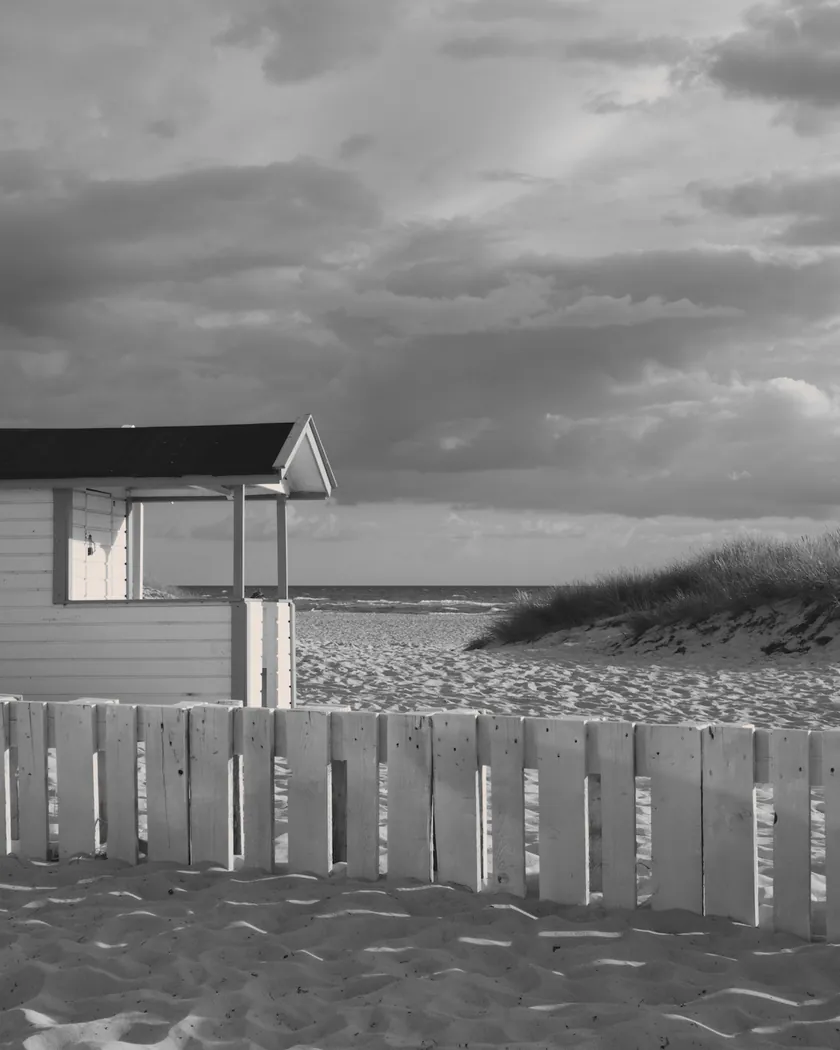
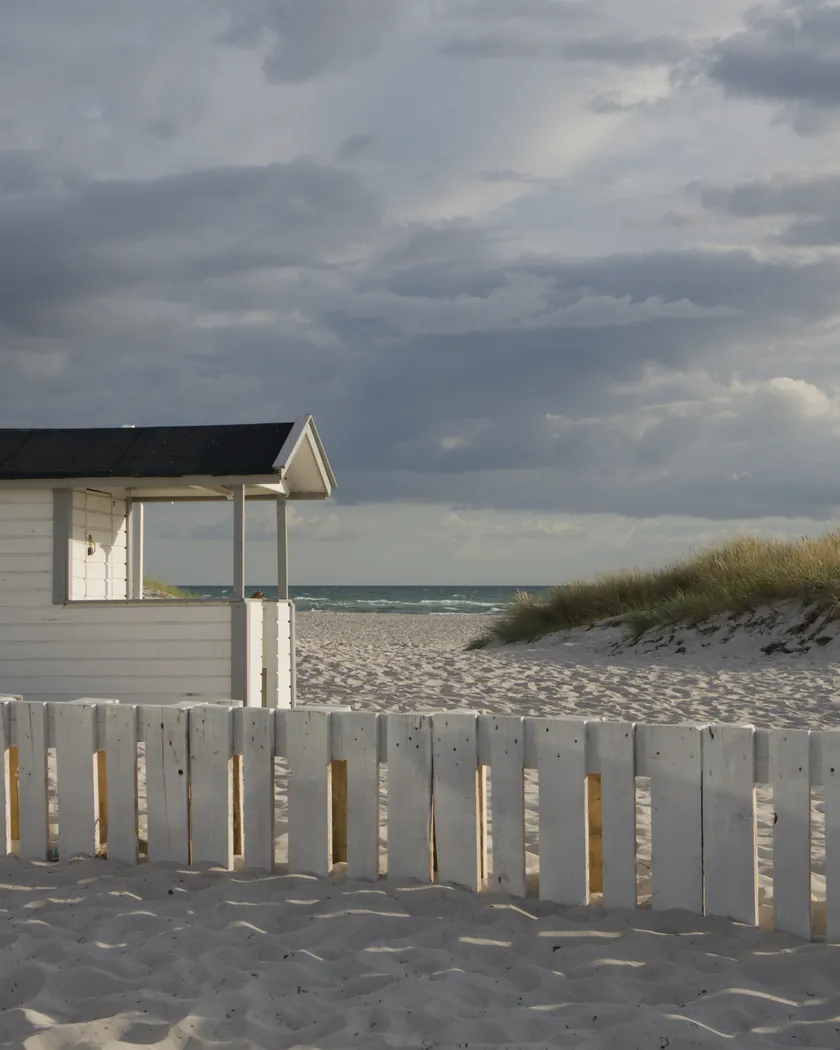
Translation into darktable
| Module | Role | Settings |
|---|---|---|
| color calibration (default instance) | Disabled, so that chromatic adaptation does not tint the gray | CAT16, as shot; instance disabled |
| color calibration (instance “N&B”) | Gray conversion by luminance, the reviews' 'faithful' panchromatic rendering | Gray = Y (XYZ weights 0; 1; 0); weights chosen, not measured |
| tone curve | Steep midtones, short latitude, raised black, white that stops below full | Nodes (0, 0.09) (0.10, 0.11) (0.22, 0.19) (0.35, 0.32) (0.5, 0.5) (0.65, 0.68) (0.78, 0.82) (0.9, 0.89) (1, 0.93) |
| split-toning | Very slight warm tint, limited to the highlights | Highlights: hue 0.09, saturation 0.6; balance 0.3; shadows: saturation 0 |
Measurements
The measurements come from a few test photos of our own, which are not published on this site. The photos shown here are different.
| Photo | Zone | Baseline | Metric | Before | After | Film expectation |
|---|---|---|---|---|---|---|
| 0775 | whole image | Base rendering | Lsd (contrast) | 14.3 | 17.0 | High contrast, short latitude |
| 0775 | whole image | Base rendering | L95 (highlights) | 75.2 | 79.5 | Highlights that do not reach pure white |
| 1014 | whole image | Base rendering | Lsd (contrast) | 30.7 | 30.4 | High contrast, short latitude |
| 1014 | whole image | Base rendering | L5 (blacks) | 2.6 | 9.3 | No deep black |
| 1014 | whole image | Base rendering | L95 (highlights) | 87.9 | 88.3 | Highlights that do not reach pure white |
| 1014 | whole image | Base rendering | C (neutrality) | 8.6 | 0.8 | Near-neutral gray |
| 0989 | skin | Base rendering | C (chroma) | 16.4 | 3.4 | Near-neutral gray, with a faint warm tint in the highlights |
| 0989 | skin | Base rendering | h (hue, °) | 44.2 | 65.6 | Warm tint |
Base rendering: darktable’s default processing of the RAW file, without the preset. Luminance conversion (black and white): the same photo converted with plain luminance weights, to isolate the effect of the film’s spectral sensitivity.
What the style changes
The style sets four darktable modules, two of them instances of color calibration. It aims at a Polaroid B&W 600 or i-Type print: short latitude, contrasty midtones, blacks that block up on a raised floor, highlights that stop below white, a very faint warm tint and no grain. No datasheet exists for this film, so it is an interpretation of reviews and of Polaroid’s product pages, not a calibrated emulation (see the Polaroid B&W film page). Figures below come from renders made with tools/validate.py at 1000 px, measured in CIELab, against darktable’s base rendering.
- Gray conversion. The default color calibration instance is disabled, so that chromatic adaptation does not tint the gray. A second instance, named “N&B”, sets gray equal to luminance Y (XYZ weights 0; 1; 0). Reviewers call the film panchromatic with a faithful rendering of colors, but no spectral curve is published, so these weights are a choice, not a measurement. Neutrality improves: whole-image chroma on one photo goes from C 8.6 to 0.8.
- Contrast and range. The tone curve keeps steep midtones and limits both ends. On the landscape, contrast rises from Lsd 14.3 to 17.0. On the street scene, Lsd stays at 30.7 → 30.4, because the raised floor offsets the steeper midtones.
- Raised black. L5 goes from 2.6 to 9.3 on the street scene: no deep black, as expected from a short latitude. Highlights move only slightly (L95 75.2 → 79.5 on the landscape, 87.9 → 88.3 on the street scene).
- A faint warm tint. split-toning tints only the highlights (hue 0.09, saturation 0.6, balance 0.3); shadows get none. Skin hue moves from 44.2° to 65.6°, while its chroma falls from 16.4 to 3.4, so the result stays close to gray.
- No grain. Analog.cafe calls the film virtually grain-free, so the style adds none, and the grain is not measured.
What it leaves alone
- Your base development. The style has no exposure, no sigmoid or filmic, no white balance and no LUT. Those settings stay as you made them.
- Your color calibration instances. The two instances in the style carry their own names (the second is “N&B”, the first is the default) and are matched by name. Applying the style from the lighttable or the darkroom replaces an existing instance of the same module with the same name and adds it otherwise. The default color calibration instance is therefore replaced, in a disabled state, if your photo already has one.
- Your tone curve and split-toning. These two modules carry no instance name, so they replace any settings you had already made in them. Your earlier settings remain in the history.
- Your pipeline order. The style file carries no module order list.
Exporting with a style, or rendering with darktable-cli, works differently: every module of the style is added as a separate instance. See Install and apply darktable styles.
Limits
- No datasheet. The curve interprets qualitative descriptions. The 3.5 stops of dynamic range come from an Analog.cafe review of the B&W SX-70 film and are applied here to 600 and i-Type.
- The spectral weights are a choice. Gray equal to luminance Y is not a measurement of the film.
- The warm tint is very faint and depends on the batch and on the age of the print: sources also describe neutral B&W and browning with age.
- Conflicting sources. Reviews say high contrast and short latitude, while Polaroid announced “lighter contrast” for its 2024 chemistry; the repository’s earlier notes said soft contrast and milky blacks, which no source read here supports. The dating of the chemistry change is unclear, and we do not know which packs carry it. The style follows the reviews and only raises the black slightly.
- Not simulated: the white frame, and the softness of the print.
- One review by excerpt only. Alex Luyckx’s review could only be read through a search excerpt.
Tips
- For soft light, apply the style as it is: the film gives its best results on low-contrast scenes, according to Analog.cafe.
- For harsh light, expect blocked shadows and lost highlights, as on the film. Lower the exposure of the base development if you want to keep the highlights.
- Crop to a square-ish frame if you want the proportions of the print: the image area of 600 and i-Type film is 79 × 77 mm.
- Apply it early. The style would replace your own tone curve and split-toning settings if you made them before.
- Installation: see Install and apply darktable styles.
Get the preset
GA — 066 / P · darktable preset
B&W 600 / i-Type
for darktable