darktable preset inspired by KodakMax 800
Warm red-orange cast, vivid greens and a firm tone curve, with coarse, strong grain.
- Film
- GA — 069 · sheet, datasheet, sources
- Pack
- Full pack
- darktable
- 5.6 or later
- In darktable
- Styles › Pellicules › Couleur
- File
- Pellicules - Couleur - Kodak Max 800.dtstyle
A darktable 5.6 style inspired by Kodak Max 800: warm cast, vivid greens, firm contrast, strong grain. Native modules, no LUT. In the full pack.
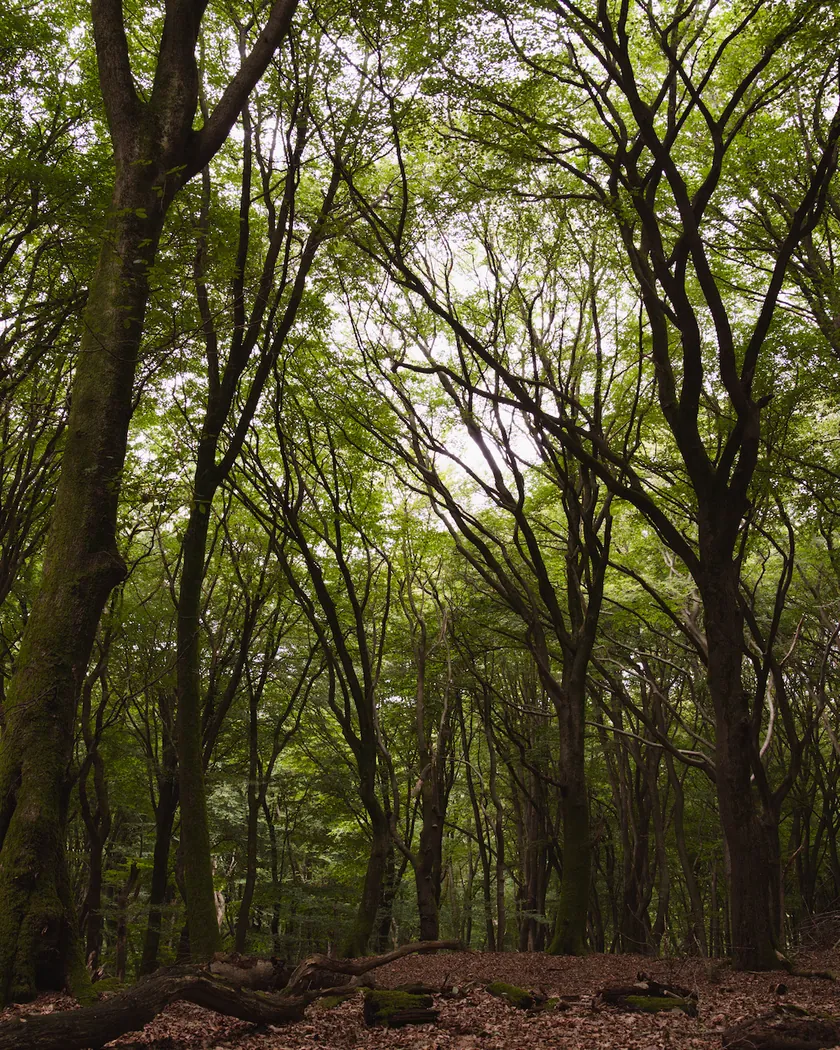
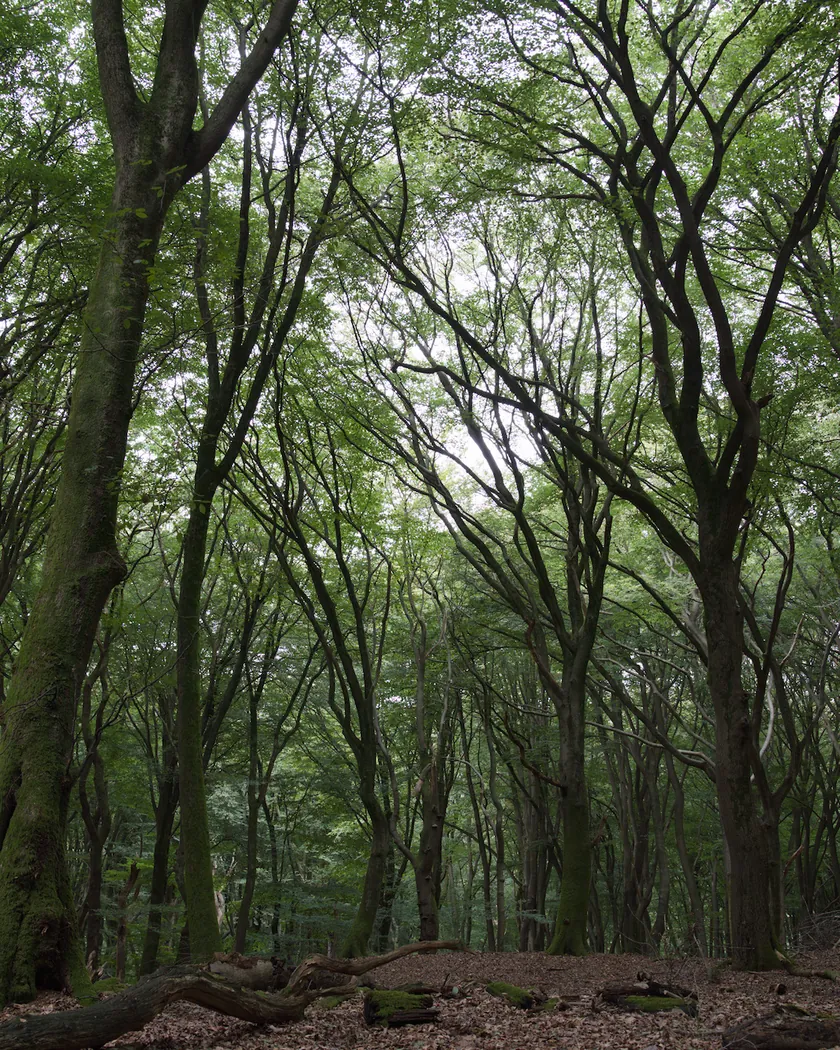
Translation into darktable
| Module | Role | Settings |
|---|---|---|
| rgb primaries | Greens turned slightly toward yellow, reds slightly toward orange, blues left almost neutral | Red hue +0.02 rad, green hue −0.04 rad, blue hue −0.01 rad |
| color balance rgb (instance “film”) | A warm red-orange cast that extends into the shadows, plus a saturation lift | Midtones 50° / 0.012, highlights 58° / 0.020, shadows 35° / 0.010; saturation +8 %, vibrance +4 % |
| color equalizer | Vivid greens and reds, with orange held back | Red ×1.08, green ×1.12, blue ×1.08, orange ×0.72 |
| tone curve (RGB, per channel) | Firm contrast, slightly lifted blacks, no shoulder before the highlights | Nodes (0, 0.025) (0.10, 0.075) (0.25, 0.21) (0.5, 0.51) (0.75, 0.80) (0.9, 0.93) (1, 0.98) |
| grain | Sized from the Ultra Max 800 Print Grain Index of 48: larger and stronger than the Portra 800 style, visible in shadows too | Coarseness 1900, strength 26, midtones bias 70 |
Measurements
The measurements come from a few test photos of our own, which are not published on this site. The photos shown here are different.
| Photo | Zone | Baseline | Metric | Before | After | Film expectation |
|---|---|---|---|---|---|---|
| 1014 | whole image | Base rendering | Lsd (contrast) | 30.7 | 32.9 | Firm contrast: higher |
| 1014 | whole image | Base rendering | L5 (blacks) | 2.6 | 3.6 | Slightly lifted blacks |
| 1014 | whole image | Base rendering | L95 | 87.9 | 91.4 | No specific target |
| 1014 | whole image | Base rendering | C (chroma) | 8.6 | 11.6 | Saturated: more than the UltraMax 400 style (+17 %) |
| 0775 | whole image | Base rendering | Lsd (contrast) | 14.3 | 17.2 | Firm contrast: higher |
| 0775 | sky | Base rendering | C (chroma) | 27.5 | 30.3 | No reliable target |
| 0775 | sky | Base rendering | h (hue, °) | 273.6 | 279.3 | One review of an expired roll reports purple casts |
| 0775 | sea | Base rendering | C (chroma) | 22.2 | 23.8 | No reliable target |
| 0775 | sea | Base rendering | h (hue, °) | 270.1 | 279.7 | One review of an expired roll reports purple casts |
| 0989 | skin | Base rendering | C (chroma) | 16.4 | 20.9 | Kodak's Ultra Max 800 sheet says faithful skin: this is at the limit |
| 0989 | skin | Base rendering | h (hue, °) | 44.2 | 52.4 | Warm cast by design |
| 1014 | pink T-shirt | Base rendering | C (chroma) | 33.7 | 44.8 | Vivid reds and pinks |
| 1014 | pink T-shirt | Base rendering | h (hue, °) | 358.8 | 10.4 | Reds pushed toward orange |
Base rendering: darktable’s default processing of the RAW file, without the preset. Luminance conversion (black and white): the same photo converted with plain luminance weights, to isolate the effect of the film’s spectral sensitivity.
What the style changes
The style sets five darktable modules. It is a cautious interpretation of a film with little documentation: there is no datasheet for Max 800, so the grain and tone settings lean on the Ultra Max 800 sheet, its successor, and on scattered reviews (see the Kodak Max 800 film page). Figures come from renders made with darktable-cli 5.6.0 at 1000 px, measured in CIELab. There is no third-party reference style for this film to compare against.
- A firm tone curve. Contrast rises (Lsd 30.7 → 32.9 on photo 1014, 14.3 → 17.2 on photo 0775) and the blacks lift slightly (L5 2.6 → 3.6). There is no shoulder before the highlights.
- A warm red-orange cast, into the shadows. A color balance rgb instance named “film” warms midtones, highlights and shadows, and adds 8 % saturation and 4 % vibrance. Overall chroma on photo 1014 goes from 8.6 to 11.6, more than the UltraMax 400 style (+17 %) and the Portra 800 style (+20 %) in the same measurement.
- Vivid greens and reds. rgb primaries turns greens slightly toward yellow, and color equalizer raises green and red while holding orange back. Pink T-shirt chroma goes from 33.7 to 44.8 and its hue from 358.8° to 10.4°.
- Strong grain. Coarseness 1900, strength 26: larger and stronger than the Portra 800 style (1800 / 22), and visible in the shadows.
What it leaves alone
- Your base development. No exposure, sigmoid or filmic, white balance or LUT.
- Your color balance rgb. The style’s instance is named “film” and is added next to yours.
- But not your other modules. When you apply a style from the lighttable or darkroom, each module replaces the instance of the same name, if the photo has one. The tone curve, rgb primaries, color equalizer and grain carry no instance name, so they replace settings you made earlier in those modules. Your earlier settings remain in the history.
- Your pipeline order. The style file carries no module order.
Exporting with a style, or rendering with darktable-cli, adds every module of the style as a separate instance. Our measurements were made that way, on darktable’s default rendering. Details in Install and apply darktable styles.
Limits
- Thin, contradictory sources. No Max 800 datasheet, reviews often about expired film, and some pages were unreadable. Nothing was measured on real film.
- Warmth, saturation and warm shadows are interpretation choices, not established facts. A “bland” reading, as Fuji X Weekly reports, is equally defensible.
- Paper dependence. The look depended heavily on the print paper; the style starts from a neutral development.
- Successor data. The grain figure and curve come from Ultra Max 800 (2007). The curve was read by eye from the graph.
- Purple-leaning skies and strong skin chroma. Sky and sea hue move toward violet (+6° and +10°), which rests on a single review of an expired roll. Skin chroma rises more than the sources suggest (16.4 → 20.9).
- Exposure-dependent grain is not simulated, unlike what reviews report for underexposed frames.
Tips
- For the reviews’ softer reading, reduce the grain strength or the “film” color balance rgb saturation afterwards.
- Apply it early. If you plan to tune the tone curve, rgb primaries, color equalizer or grain yourself, apply the style first.
- Everything stays editable. Each module is an ordinary instance you can adjust or switch off.
- Installation: see Install and apply darktable styles.
Get the preset
GA — 069 / P · darktable preset
Max 800
for darktable